Korean Soups and Stews
Highlighted under: Cuisine Without Borders
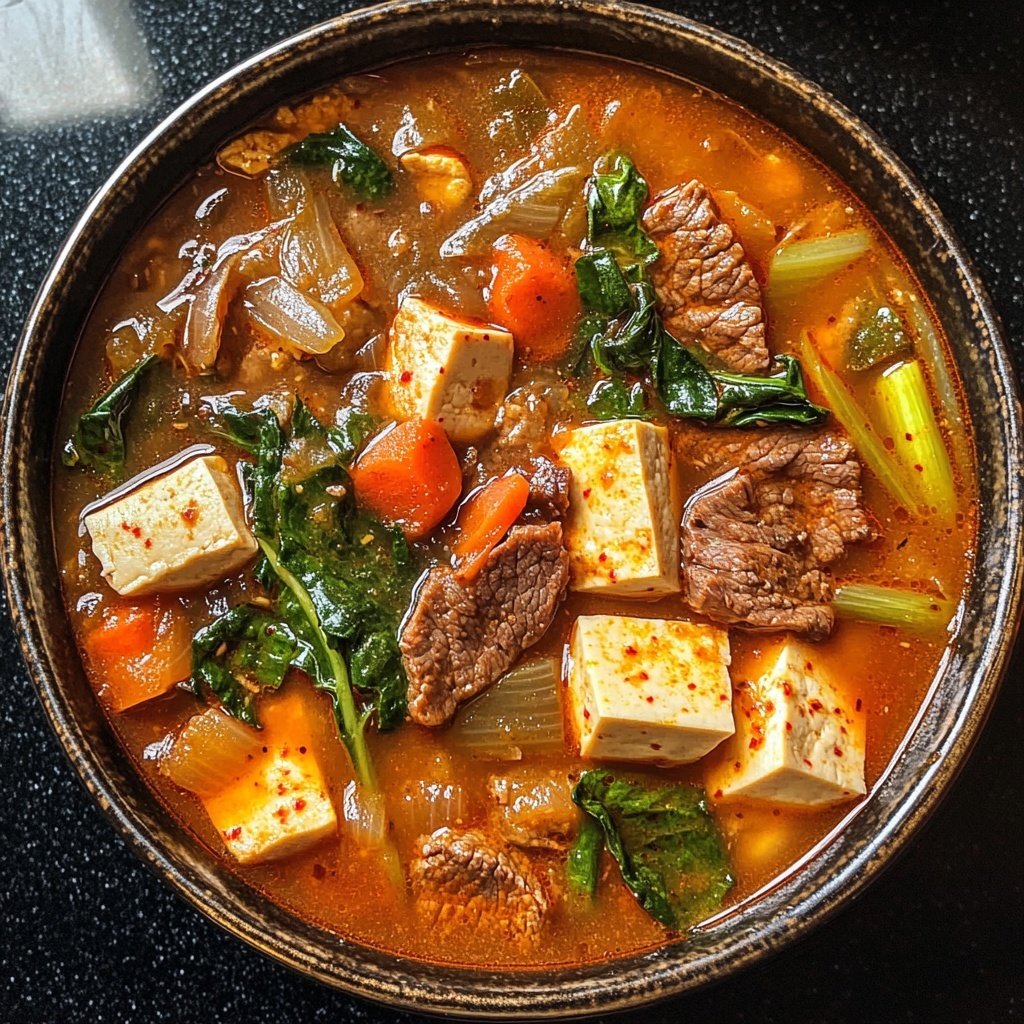
Delve into the heartwarming world of Korean soups and stews, where rich flavors and comforting warmth come together in perfect harmony.
Korean soups and stews are a staple in Korean cuisine, offering a variety of flavors and ingredients. They warm the soul and are perfect for any meal.
Why You'll Love This Recipe
- A delightful mix of spices and ingredients for bold flavors
- Hearty and satisfying, perfect for chilly days
- Versatile recipe that can be tailored to your taste
The Essence of Korean Cuisine
Korean cuisine is renowned for its bold flavors and vibrant colors, and its soups and stews are no exception. These dishes often incorporate a variety of ingredients that showcase the balance between spicy, savory, and umami. The use of kimchi not only adds depth to the flavor but also brings a touch of fermentation that enhances the overall taste profile. Each bowl tells a story, reflecting the cultural heritage and culinary traditions of Korea, making it a unique experience for anyone who enjoys hearty meals.
In Korea, soups and stews are often considered comfort food, served during family gatherings, celebrations, or on cold days. They are more than just a meal; they are a way to bring people together, fostering connections and warmth. As you savor each spoonful, you will discover how these dishes embrace the spirit of hospitality and togetherness that is central to Korean culture.
Nutritional Benefits
Korean soups and stews are not only delicious but also packed with nutrients. The inclusion of vegetables like zucchini and mushrooms provides essential vitamins and minerals, while the protein from beef or tofu offers a satisfying and hearty component. Kimchi, a staple in Korean cuisine, is rich in probiotics, promoting gut health and aiding digestion. This balance of ingredients makes Korean stews a wholesome choice that nourishes both body and soul.
Moreover, the use of spices such as ginger and garlic not only enhances flavor but also adds health benefits. Ginger is known for its anti-inflammatory properties, while garlic is praised for its immune-boosting qualities. By incorporating these ingredients into your meals, you are not just enjoying a comforting dish but also supporting your overall well-being.
Customization and Variations
One of the best aspects of Korean soups and stews is their versatility. You can easily customize the recipe to suit your preferences or dietary needs. If you're vegetarian or vegan, simply swap out the beef for tofu or a variety of vegetables. Experimenting with different proteins and vegetables allows you to create a unique dish each time, ensuring that it never gets boring.
Additionally, you can adjust the level of spiciness by modifying the amount of gochujang you use. For those who prefer milder flavors, starting with a smaller quantity and gradually increasing it can help you find the perfect balance. The possibilities are endless, encouraging creativity in the kitchen while still delivering that authentic Korean taste.
Ingredients
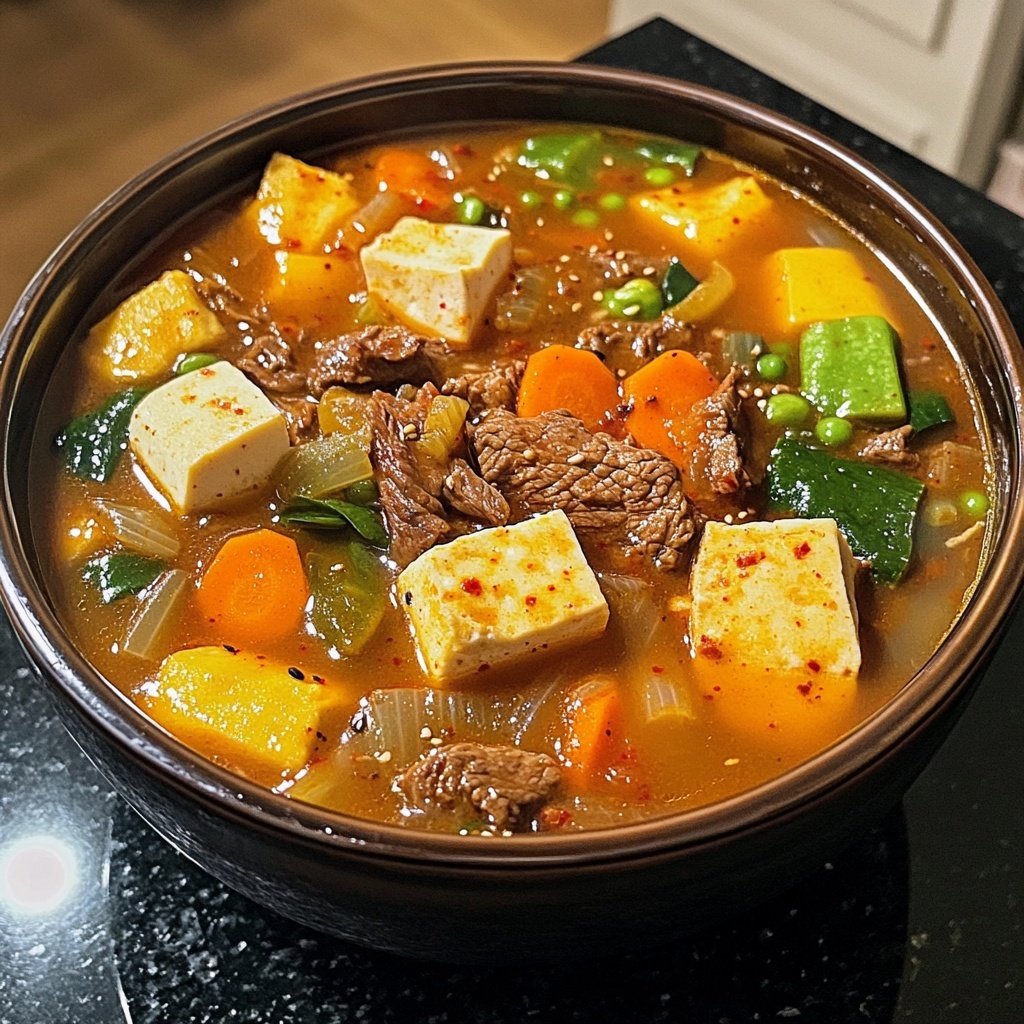
Gather these ingredients to create your delicious Korean soups and stews.
Main Ingredients
- 1 lb beef (or tofu for a vegetarian option), cut into pieces
- 1 medium onion, sliced
- 2 cloves garlic, minced
- 1 inch ginger, sliced
- 4 cups beef or vegetable broth
- 2 cups kimchi, chopped
- 1 medium zucchini, sliced
- 1 cup mushrooms, sliced
- 2 tablespoons soy sauce
- 1 tablespoon gochujang (Korean chili paste)
- 1 tablespoon sesame oil
- Salt and pepper to taste
- Green onions for garnish
Once you have all your ingredients, you're ready to start cooking!
Instructions
Follow these steps to create your Korean soup or stew.
Prepare the Ingredients
Begin by preparing all your ingredients. Slice the beef, onion, zucchini, and mushrooms, and chop the kimchi. Mince the garlic and slice the ginger.
Sauté the Aromatics
In a large pot, heat the sesame oil over medium heat. Add the onion, garlic, and ginger, and sauté until fragrant.
Add the Beef and Broth
Add the beef to the pot and cook until browned. Pour in the broth and bring to a boil.
Incorporate the Vegetables
Stir in the kimchi, zucchini, and mushrooms. Add soy sauce and gochujang, then reduce the heat to a simmer.
Simmer and Serve
Let the stew simmer for about 30 minutes, allowing the flavors to meld. Season with salt and pepper. Serve hot, garnished with green onions.
Enjoy your warm and comforting Korean soup or stew!
Pro Tips
- Feel free to customize your soup with any vegetables or proteins you prefer. Adjust the spice level by adding more or less gochujang.
Serving Suggestions
Korean soups and stews are typically served hot and can be paired with a side of steamed rice for a complete meal. The rice helps to balance the stew's spiciness and richness, making each bite more enjoyable. You can also serve it with a selection of banchan, which are small side dishes that complement the main meal. This creates a delightful dining experience that showcases the variety of flavors in Korean cuisine.
For a fun twist, consider serving your stew in individual clay pots, which keep the dish warm and add an authentic touch. Garnishing with freshly chopped green onions just before serving not only enhances the presentation but also adds a burst of freshness that elevates the overall dish.
Storing and Reheating
If you have leftovers, storing your Korean stew is simple. Allow it to cool, then transfer it to an airtight container and refrigerate. It can last for about 3 to 4 days in the fridge, making it a great option for meal prep. The flavors will continue to develop as it sits, often tasting even better the next day.
When reheating, use a pot on the stove over medium heat, stirring occasionally until warmed through. You may need to add a splash of water or broth to loosen it up, as the stew may thicken in the fridge. Enjoying a bowl of this comforting stew on a busy day can bring a little warmth and nostalgia back into your routine.
Questions About Recipes
→ Can I make this recipe vegetarian?
Yes! Simply substitute beef with tofu and use vegetable broth.
→ How spicy is this dish?
The spice level can be adjusted by varying the amount of gochujang used.
→ Can I store leftovers?
Absolutely! Store leftovers in an airtight container in the fridge for up to 3 days.
→ What can I serve with this stew?
Korean rice, pickled vegetables, or a side salad complement this dish well.
Korean Soups and Stews
Created by: Eleanor Briggs
Recipe Type: Cuisine Without Borders
Skill Level: Intermediate
Final Quantity: 4 servings
What You'll Need
Main Ingredients
- 1 lb beef (or tofu for a vegetarian option), cut into pieces
- 1 medium onion, sliced
- 2 cloves garlic, minced
- 1 inch ginger, sliced
- 4 cups beef or vegetable broth
- 2 cups kimchi, chopped
- 1 medium zucchini, sliced
- 1 cup mushrooms, sliced
- 2 tablespoons soy sauce
- 1 tablespoon gochujang (Korean chili paste)
- 1 tablespoon sesame oil
- Salt and pepper to taste
- Green onions for garnish
How-To Steps
Begin by preparing all your ingredients. Slice the beef, onion, zucchini, and mushrooms, and chop the kimchi. Mince the garlic and slice the ginger.
In a large pot, heat the sesame oil over medium heat. Add the onion, garlic, and ginger, and sauté until fragrant.
Add the beef to the pot and cook until browned. Pour in the broth and bring to a boil.
Stir in the kimchi, zucchini, and mushrooms. Add soy sauce and gochujang, then reduce the heat to a simmer.
Let the stew simmer for about 30 minutes, allowing the flavors to meld. Season with salt and pepper. Serve hot, garnished with green onions.
Extra Tips
- Feel free to customize your soup with any vegetables or proteins you prefer. Adjust the spice level by adding more or less gochujang.
Nutritional Breakdown (Per Serving)
- Calories: 350 kcal
- Total Fat: 15g
- Saturated Fat: 4g
- Cholesterol: 70mg
- Sodium: 800mg
- Total Carbohydrates: 28g
- Dietary Fiber: 4g
- Sugars: 5g
- Protein: 25g